





















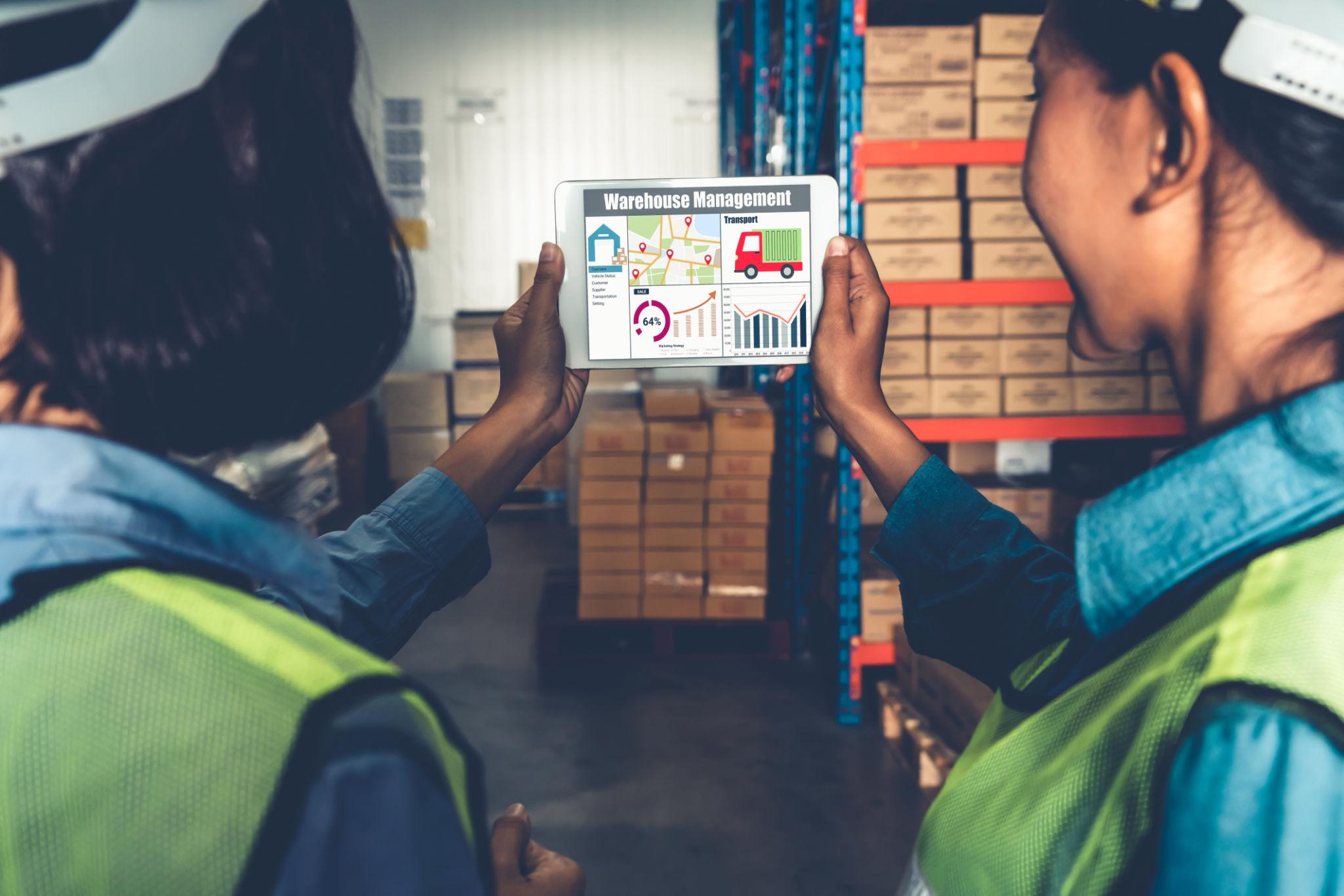
Managing inventory accurately is one of the most critical operational challenges for businesses. Whether you operate a warehouse, retail store, manufacturing facility, or e-commerce business in Singapore, inventory management software plays a key role in ensuring stock visibility, operational efficiency, and accurate order fulfilment.
Modern inventory systems integrate with barcode scanners, RFID readers, and label printers, allowing businesses to track products in real time across multiple locations.
This guide explains:
- What inventory management software is and how it works
- How barcode scanners and RFID systems integrate with inventory software
- Key features Singapore businesses should look for
- How SMEs and warehouses can choose the right inventory system
What Is Inventory Software and How Does It Work?
Inventory management software is a digital system used to track stock levels, manage product movement, and monitor inventory across warehouses, stores, or distribution centres.
Instead of manually tracking stock using spreadsheets or paper records, inventory software automates inventory processes using barcode scanning, RFID tracking, and real-time database updates.
Typical inventory workflow
- Products arrive at warehouse
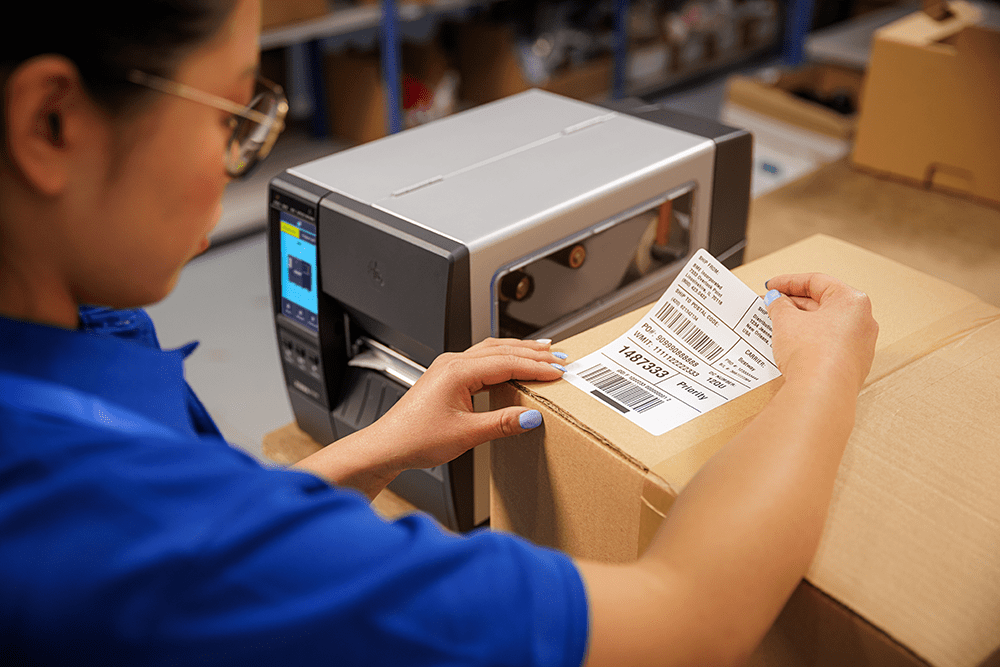
- Barcode labels are printed and applied
- Items are scanned into inventory system
- Inventory software records stock location and quantity
- When items are shipped, scanners update inventory automatically
This system ensures:
- accurate stock levels
- faster order fulfilment
- reduced manual errors
Inventory management software is widely used in:
- warehouses
- retail stores
- logistics companies
- manufacturing
- e-commerce businesses
Inventory Software vs Manual Stock Tracking
Many small businesses initially track inventory manually using spreadsheets. However, manual systems quickly become inefficient as inventory grows.
| Feature | Manual Tracking | Inventory Software |
| Accuracy | Prone to human errors | Automated updates |
| Speed | Slow stock updates | Real-time updates |
| Scalability | Difficult to manage large inventories | Designed for growth |
| Multi-location tracking | Complex | Built-in features |
| Reporting | Limited | Advanced analytics |
For most SMEs in Singapore, moving from manual stock tracking to inventory software significantly improves operational efficiency.
How Barcode Scanners Integrate with Inventory Systems
Barcode scanners are one of the most common hardware tools used with inventory systems. When an item is scanned, the scanner sends product data directly to the database, allowing businesses to update stock levels instantly.
Businesses often combine scanners with barcode scanning systems to automate inventory tracking and reduce manual data entry.
When an item is scanned, the barcode scanner sends product data directly to the inventory system.
Typical barcode inventory workflow
- Product barcode printed using label printer
- Barcode applied to product
- Worker scans barcode using scanner
- Inventory software updates stock database
Benefits include:
- faster stock entry
- fewer manual errors
- real-time inventory visibility
Many warehouses in Singapore rely on barcode scanning to manage thousands of SKUs efficiently.
RFID Integration with Inventory Software
RFID (Radio Frequency Identification) technology allows warehouses to track multiple items automatically without scanning each product individually.
By using electromagnetic tags attached to items, RFID systems can automatically capture data through packages and and at a distance, without requiring direct line-of-sight scanning, making inventory management more efficient, and less prone to human error.
Companies that handle large inventories often deploy RFID together with RFID tracking systems to improve stock visibility and automate warehouse operations.
Advantages of RFID systems:
- bulk item scanning
- faster warehouse processing
- automated inventory counting
- real time, highly accurate inventory tracking (up to 99%)
Industries using RFID inventory systems include:
- retail
- logistics
- healthcare
- manufacturing
RFID integration works best in environments with large-scale warehouse operations in Singapore.
Inventory System Architecture
Modern inventory systems combine hardware and software to create a complete tracking solution.
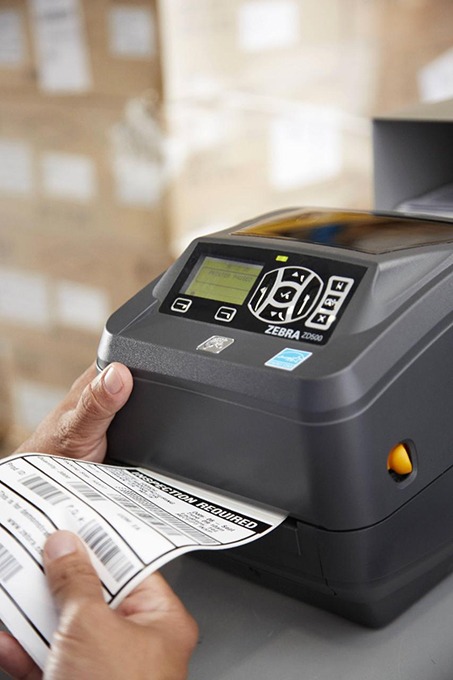
Inventory systems typically work together with hardware devices such as scanners and label printers. Many businesses use label printers and barcode label systems to generate product labels that can be scanned and tracked within the inventory database.
Typical system architecture
Barcode Scanner → Label Printer → Inventory Management Software
Process explanation:
- Label printer generates barcode labels
- Scanner captures barcode data
- Inventory software records product data
- System updates stock levels across locations
This integrated system ensures seamless data flow between hardware devices and software platforms.

Key Features Inventory Software in Singapore Should Include
When selecting inventory software, it is highly recommended that businesses evaluate the following features.
Real-Time Inventory Tracking
Real-time tracking allows businesses to monitor stock levels instantly.
Why it matters:
- prevents stock shortages
- improves order fulfilment
- reduces inventory discrepancies
Barcode scanners and RFID readers enable real-time updates.
Multi-Location Inventory Management
Many Singapore businesses operate across multiple locations such as warehouses, retail stores, and fulfilment centres.
Inventory software should support:
- multi-warehouse tracking
- store-level inventory visibility
- location-based stock movement
Barcode Integration
Barcode integration is essential for efficient inventory tracking.
Features to look for:
- barcode generation
- scanner compatibility
- barcode label printing
This allows businesses to automate stock tracking.
Reporting and Analytics
Inventory software should provide detailed insights into stock movement.
Key reporting features:
- stock level monitoring
- demand forecasting
- inventory turnover analysis
These insights help businesses make better purchasing decisions.
Integration with Business Systems
Modern inventory software should integrate with:
- accounting software
- ERP systems
- e-commerce platforms
- warehouse management systems
This ensures seamless business operations.
Singapore Warehouse Scale Considerations
Warehouses in Singapore often face operational challenges due to limited space and high operational costs.
Inventory systems must support:
- high-density storage
- rapid inventory turnover
- efficient order picking
Automated inventory tracking helps warehouses maximise productivity within limited space.
Inventory Management for Multi-Location Businesses
Businesses operating multiple warehouses or retail stores require centralised inventory management.
Inventory software enables:
- stock visibility across locations
- automated stock transfers
- centralised reporting
This is especially important for retail chains and logistics providers in Singapore.
Best Inventory Management Systems for SMEs
For SMEs, the best inventory systems balance functionality and affordability.
Typical SME setup includes:
- barcode scanner
- label printer
- inventory software platform
This system allows businesses to track inventory without the complexity of enterprise systems.
Inventory Software Cost Considerations
Is inventory software expensive?
Costs vary depending on system complexity.
Typical pricing models include:
- Cloud-based inventory software:
SGD $30 – $200 per month
- Enterprise inventory systems:
SGD $500+ per month
Hardware such as scanners and label printers may require additional investment.
Can SMEs Use Enterprise Inventory Systems?
Yes. Many enterprise inventory systems offer modular versions designed for SMEs.
Businesses can start with:
- basic inventory tracking
- barcode scanning
- reporting features
Additional modules can be added as the business grows.
How to Choose Inventory Software in Singapore
When evaluating inventory software, consider:
Inventory size
Number of locations
Integration requirements
Barcode or RFID usage
Businesses with small operations may only require basic stock tracking, while warehouses require advanced warehouse management capabilities.
Request Inventory System Consultation
Choosing the right inventory management system depends on your operational needs.
If you are planning to implement barcode scanning, RFID tracking, or warehouse automation, our specialists can help design a complete inventory solution for you.
Request an inventory system consultation today to find the best system for your business.
Frequently Asked Questions About Inventory Software
What is inventory software used for?
Inventory software is used to track stock levels, manage product movement, and monitor inventory across warehouses or retail stores.
Can inventory software integrate with barcode scanners?
Yes. Most modern inventory systems support barcode scanners, allowing businesses to scan items and update inventory automatically.
Is inventory software suitable for SMEs?
Yes. Many inventory systems are designed specifically for SMEs and offer scalable features as businesses grow.
How much does inventory management software cost in Singapore?
Cloud-based systems typically cost between SGD $30 and $200 per month depending on features and number of users.
Can inventory software track multiple warehouses?
Yes. Most inventory systems support multi-location inventory management, allowing businesses to track stock across warehouses and retail stores.
