















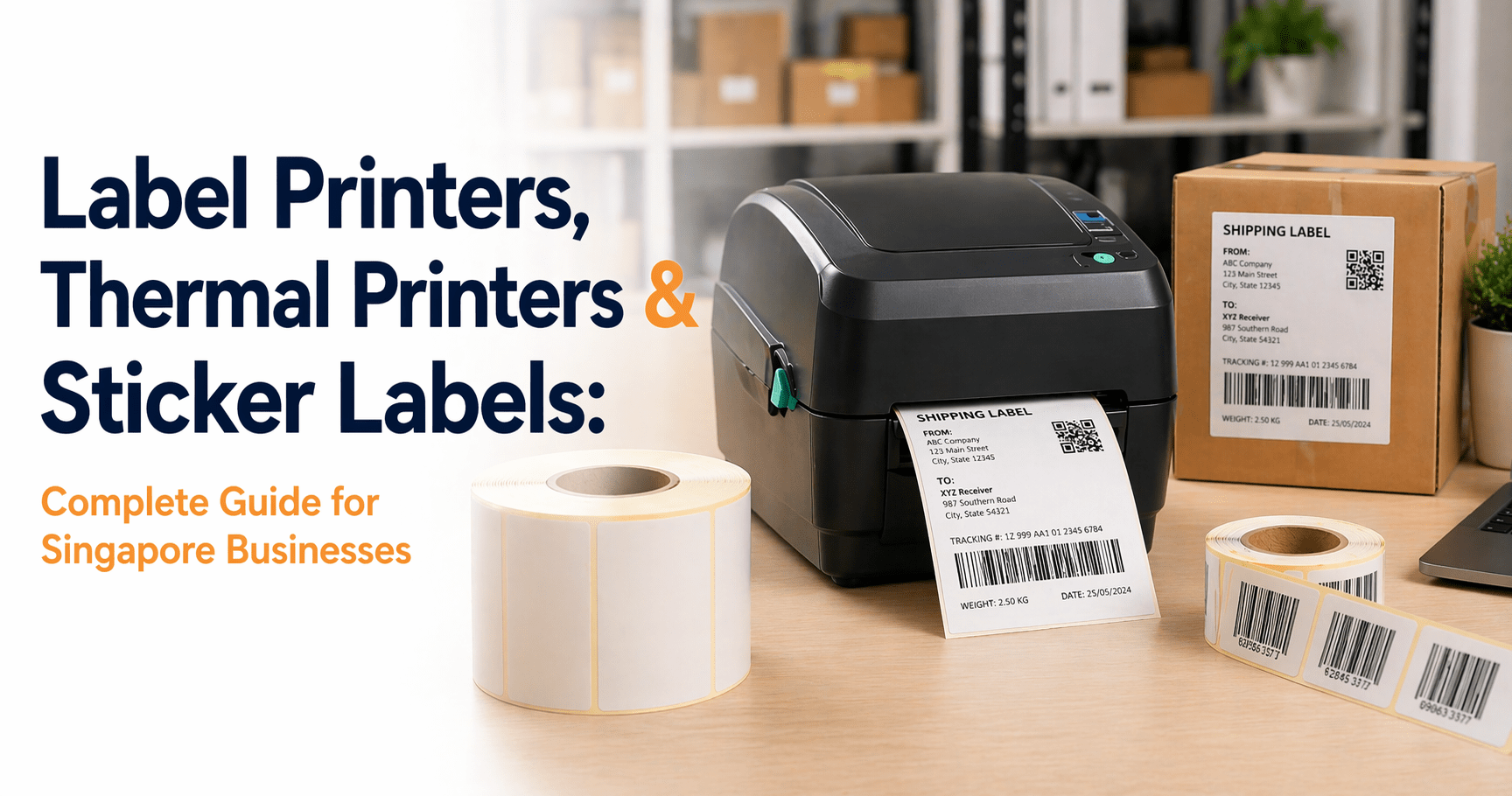
Labels are a critical part of modern operations — from warehouse inventory tracking to retail product packaging and shipping logistics. Businesses across Singapore rely on label printers and thermal printers to create barcode labels, shipping labels, price tags, and product stickers quickly and reliably.
Whether you operate a small e-commerce store, retail shop, warehouse, or manufacturing business, choosing the right label printing solution can significantly improve efficiency and compliance with local packaging standards.
This guide explains:
- What label printers are and how they work
- The differences between thermal printers and label printers
- Which sticker labels and materials are best for packaging
- How Singapore businesses can choose the right label printing system to serve their intent
Need help choosing the right label printer? Explore this complete guide and connect with a label printing specialist in Singapore to find the best solution for your business.
What Is a Label Printer and How Does It Work?
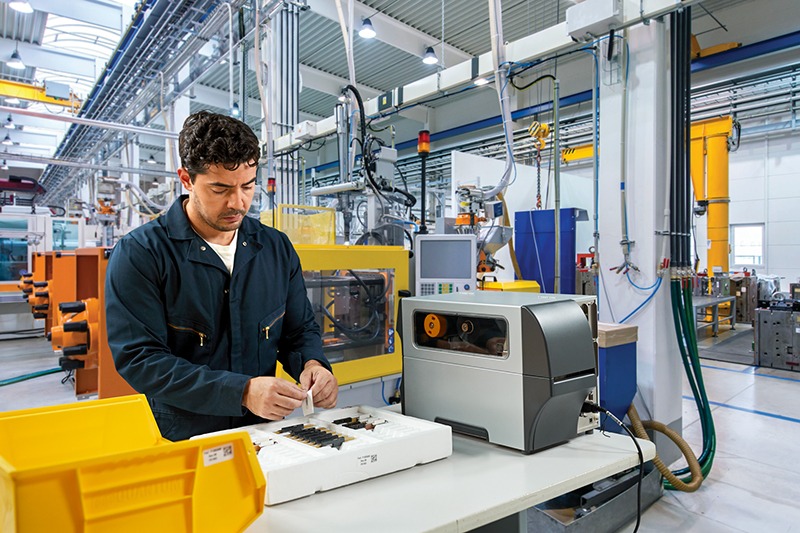
A label printer is a specialised printer designed to produce labels, barcode stickers, shipping labels, and product tags.
Unlike standard office printers, label printers are designed for high-volume printing, durability, and barcode readability.
Typical label printing workflow
- Design label using label software
- Send print job to printer
- Printer prints label onto adhesive media
- Label is applied to product, packaging, or shipping box
Label printers are commonly used for:
- Barcode labels for inventory tracking
- Shipping labels for logistics
- Product packaging labels
- Asset tags
- Retail price stickers
Singapore businesses use label printers extensively in:
- Warehousing
- Retail
- Manufacturing
- Logistics and fulfilment
- Healthcare and laboratories
Thermal Printer vs Label Printer: Key Differences
Many businesses confuse thermal printers and label printers, but the terms describe different aspects of printing technology.
| Feature | Label Printer | Thermal Printer |
| Definition | Printer designed for labels | Printer technology using heat |
| Printing type | Usually thermal | Direct thermal or thermal transfer |
| Ink required | No | No |
| Common use | Product labels, barcodes, designed to print on adhesive label rolls | Shipping labels, receipts |
| Print durability | Depends on media | Thermal transfer more durable |
Two main thermal printing technologies
Direct Thermal Printing
Direct thermal printers print using heat-sensitive label material.
Advantages:
- No ribbon required
- Lower operating cost
- Simple maintenance
Best for:
- Shipping labels
- Logistics
- Temporary labels
Thermal Transfer Printing
Thermal transfer printers use a ribbon to transfer ink onto labels.
Advantages:
- Long-lasting print
- Resistant to heat and chemicals
- Suitable for industrial use
Best for:
- Asset labels
- Product packaging
- Warehouse inventory labels
Sticker Labels Explained: Materials, Formats and Uses
Sticker labels are adhesive labels used for product packaging, branding, and identification.
Singapore businesses commonly use three formats:
1. Sticker Paper
Paper-based adhesive labels.
Best for:
- Retail price labels
- Short-term product labels
- Office labelling
Advantages:
- Low cost
- Easy printing
- Good print quality
2. Sticker Rolls
Labels supplied on rolls designed for label printers.
Best for:
- Barcode labels
- Warehouse logistics
- Shipping labels
- E-commerce fulfilment
Benefits:
- High-speed printing
- Automated application
- Efficient large-volume use
3. Waterproof / Synthetic Labels
Plastic or polyester labels designed for durability.
Best for:
- Industrial environments
- Chemical products
- Outdoor labels
- Long-term asset tracking
These are commonly used by Singapore warehouses and manufacturing facilities.
How Singapore Businesses Choose the Right Label Printer
Selecting the right label printer depends on the business size, label type, and printing volume.
Below is a practical buyer framework that can help you make the right choice
If You Are a Small Business
Recommended solution:
- Desktop label printer
- Direct thermal printing
- Label width: 2–4 inches
Best uses:
- Shipping labels
- Product stickers
- Small retail operations
Estimated cost in Singapore:
SGD $200 – $600
If You Run an E-commerce Store
Recommended solution:
- 4-inch shipping label printer
- Direct thermal printer
- Integration with shipping platforms
Benefits:
- Fast order fulfilment
- Compatible with logistics labels
If You Operate a Warehouse
Recommended solution:
- Industrial thermal transfer printer
- Durable label materials
- Barcode compatibility
Benefits:
- Long-lasting labels
- Inventory tracking reliability
- High printing volume
Estimated cost:
SGD $800 – $3,000+
If You Need Product Packaging Labels
Recommended solution:
- Thermal transfer printer
- Waterproof sticker labels
- High-resolution print
Common uses:
- Cosmetic products
- Food packaging
- Consumer goods
Compare Label Printer Options
- Desktop label printers
- Industrial label printers
- Mobile label printers
View available label printers in Singapore
Label Printing Compliance Considerations in Singapore
Businesses producing packaged goods must consider label clarity and regulatory information requirements.
Common compliance factors include:
- Product identification
- Batch tracking
- Barcode readability
- Ingredient or safety labelling
Many Singapore retailers and distributors rely on barcode labels for inventory tracking and POS integration.
Best Label Printing Solutions for SMEs
For most SMEs, a desktop thermal label printer paired with sticker roll labels offers the best balance between cost and performance.
Typical setup:
- Label printer
- Label design software
- Sticker roll labels
- Barcode scanner for verification
This workflow supports:
- inventory management
- product labelling
- logistics operations
Choosing the Right Label Printing System
Before purchasing a label printer, consider:
1. Label Size Requirements
Shipping labels often require 4-inch printers, while product stickers may only need 2–3 inch labels.
2. Printing Volume
Low volume:
Desktop printer
High volume:
Industrial label printer
3. Label Durability
Temporary labels:
Direct thermal paper labels
Long-term labels:
Thermal transfer synthetic labels
4. Software Compatibility
Ensure your printer works with:
- inventory systems
- shipping platforms
- barcode software
How Label Printing Supports Barcode Systems
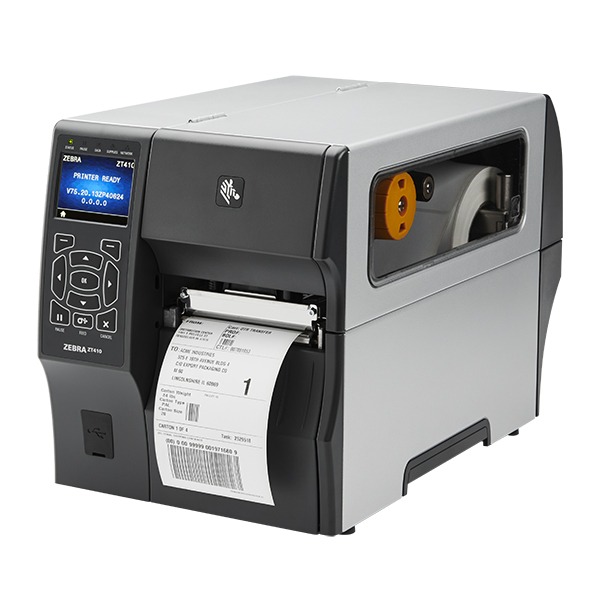
Label printers are often used together with barcode scanners and inventory systems.
Typical workflow:
- Generate barcode label
- Apply label to product
- Scan product during warehouse movement
- Track inventory automatically
This integration improves:
- stock accuracy
- order fulfilment
- warehouse productivity
Talk to a Label Printing Specialist
Choosing the right printing system depends on your industry, volume requirements, and label durability needs.
If you’re unsure which label printer or sticker label material is best for your business, our team can help.
Talk to a label printing specialist to get personalised recommendations for your business.
Frequently Asked Questions
What is a label printer used for?
Label printers are used to produce barcode labels, shipping labels, product stickers, and asset tags used in logistics, retail, and manufacturing.
Are thermal printers better than inkjet printers for labels?
Yes. Thermal printers are faster, more reliable for barcode printing, and require no ink cartridges.
What sticker labels are best for product packaging?
Waterproof synthetic labels are best for product packaging because they resist moisture, abrasion, and chemical exposure.
Do small businesses need label printers?
Yes. Label printers allow small businesses to efficiently print shipping labels, product stickers, and inventory barcodes.
What is the best label printer for SMEs in Singapore?
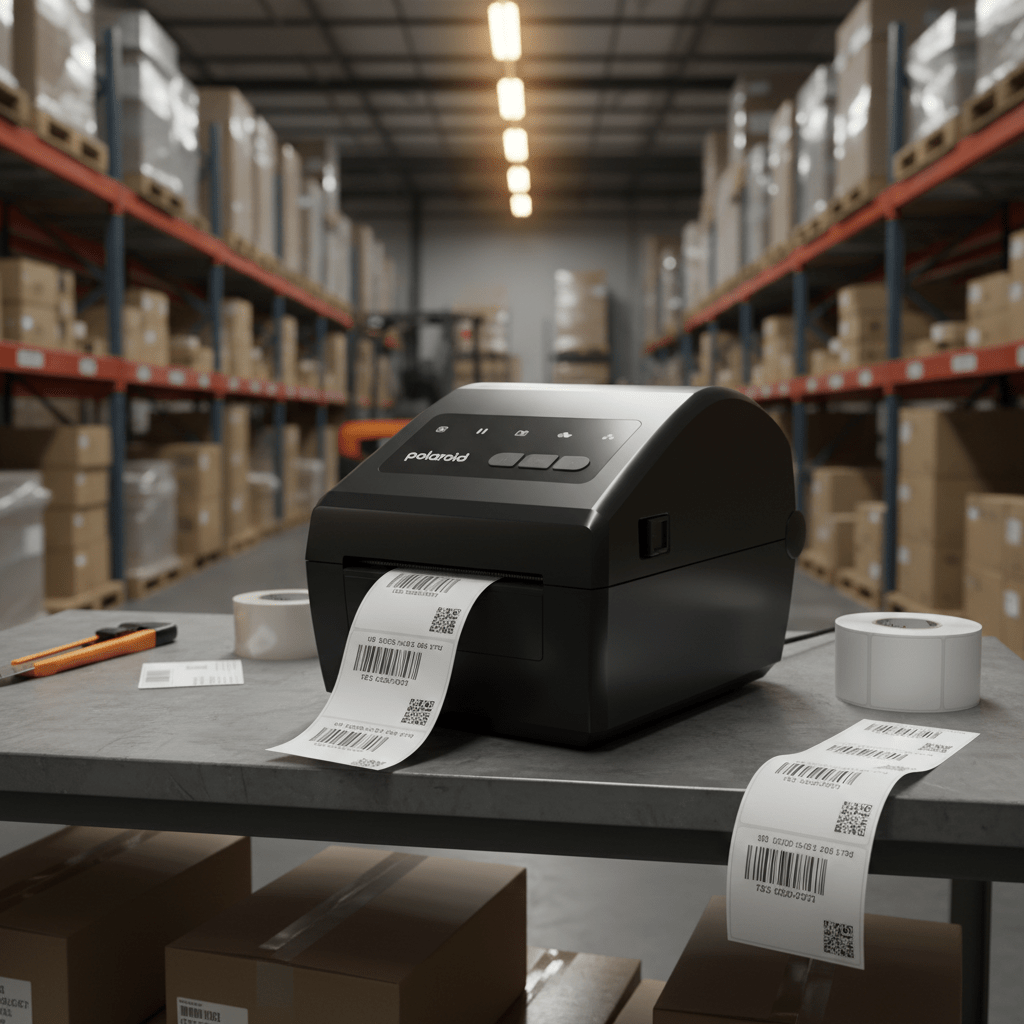
Most SMEs benefit from a 4-inch direct thermal desktop label printer, which offers a good balance of cost, speed, and reliability. Models such as the Polaroid P460D are a practical choice for businesses handling shipping, barcode, and product labels.
